Hiring a tennis coach is straightforward until you start comparing options. One coach charges $60 per hour and lists no credentials. Another charges $120 with USPTA certification and 15 years of experience. A third runs an academy with structured programs but requires package commitments.
The differences matter. The wrong choice means wasted money on lessons that don't improve your game. The right coach accelerates your progress and makes training something you actually look forward to.
This guide walks you through what separates good coaches from mediocre ones, what certifications actually mean, and how to evaluate coaches in the Glendale and Burbank area before you book.
What Makes a Tennis Coach Effective
Teaching tennis looks easy from the outside. Anyone who plays decently can feed balls and offer tips. But effective coaching requires specific skills that separate professionals from people who just hit with you.
Technical Knowledge That Goes Beyond Playing Ability
Playing well and teaching well are completely different skills. A coach who competed at the college level understands stroke mechanics from experience, but that doesn't automatically mean they can diagnose your backhand problem or explain the fix in a way that makes sense to you.
The best coaches see the root cause, not just symptoms. Your forehand goes long consistently. A weak coach tells you to aim lower. An effective coach notices your contact point is too far in front, your grip is too extreme for your swing path, or your weight transfer timing is off. They fix the cause, which fixes multiple symptoms at once.
Communication Skills That Match Your Learning Style
Some players learn from technical explanations. Others need to feel the correct motion through repetition. Many need visual demonstrations or video analysis to understand what they're doing wrong.
Effective coaches adjust their teaching method to fit the student. If verbal cues aren't working, they switch to hands-on positioning or video feedback. The teaching style adapts to you, not the other way around.
Structured Progression Instead of Random Drills
Every lesson should build on the previous one. Week one focuses on proper grip and contact point. Week two adds footwork patterns. Week three combines both in live ball drills. Week four introduces match situations.
Random drills feel productive but don't create lasting improvement. Structure builds skills in a logical order, where each new element reinforces what you already learned.
Honest Assessment of Your Current Level and Realistic Goals
A good coach tells you the truth about your timeline. If you're starting from zero at age 45, tournament play might not be realistic. Solid recreational ability is achievable with consistent work.
They also identify what's holding you back. Maybe your serve needs complete rebuilding, but your groundstrokes just need minor adjustments. They prioritize the changes that create the biggest impact.
Understanding Tennis Coach Certifications
Certifications don't guarantee quality coaching, but they do indicate someone invested time and money into learning proper teaching methods. Here's what the main credentials actually mean.
RSPA Certification (Formerly USPTA)
The Racquet Sports Professionals Association, known as USPTA until recently, has been certifying tennis instructors since 1927. They offer three levels: Instructor, Professional, and Elite Professional.
Instructor certification covers teaching fundamentals for beginner to intermediate players. Expect about 35-40 hours of coursework plus a two-day workshop. Cost runs around $250 for the application fee plus $235 annual dues.
Professional certification requires more advanced teaching skills, including private lesson management, group organization, and player development frameworks. This level demonstrates the coach can handle all age groups and skill levels.
Elite Professional is the highest tier, typically held by head pros at prestigious facilities or coaches who mentor other instructors. This isn't common among independent coaches in the area.
PTR Certification
Professional Tennis Registry operates globally with over 16,000 certified professionals in 125 countries. Their approach differs from RSPA because they offer specialized pathways from the start.
Instead of general certification, PTR coaches can specialize in 10 & Under, 11-17, Performance, Adult Development, or Senior Development. This works well if you know exactly which population you want to work with.
PTR Level 1 takes about the same time and cost as RSPA Instructor level. The main difference is the specialization focus versus the generalist approach.
USTA Accreditation (The Quality Standard)
USTA doesn't certify coaches directly. They accredit the organizations that do. Both RSPA and PTR hold full USTA accreditation, which means their programs meet national standards for coach education.
USTA also requires SafeSport training and background checks for coaches working with juniors. This protects kids and gives parents peace of mind when enrolling children in programs.
What Certification Doesn't Tell You
A newly certified instructor with limited teaching experience differs significantly from a veteran coach who's developed hundreds of players over 20 years. Both might hold the same credential.
Certification proves someone learned the theory and passed the tests. It doesn't measure teaching effectiveness, communication skills, or the ability to connect with students. Those qualities only show up in actual lessons.
What Tennis Coaches Cost in Glendale and Burbank
Coaching rates vary widely based on credentials, experience, and format. Here's what you'll actually pay in this area.
Private Coaching Rates
Independent coaches at public courts typically charge $60-75 per hour. These are often part-time instructors or recently certified coaches building their client base.
Certified coaches with 5-10 years of experience at dedicated facilities charge $80-95 per hour for private coaching. This tier includes instructors at established academies who work full-time and have proven track records.
Elite coaches with extensive playing backgrounds or 15+ years of coaching experience charge $100-150 per hour. This category includes former professional players or coaches who have developed college-level or nationally ranked players.
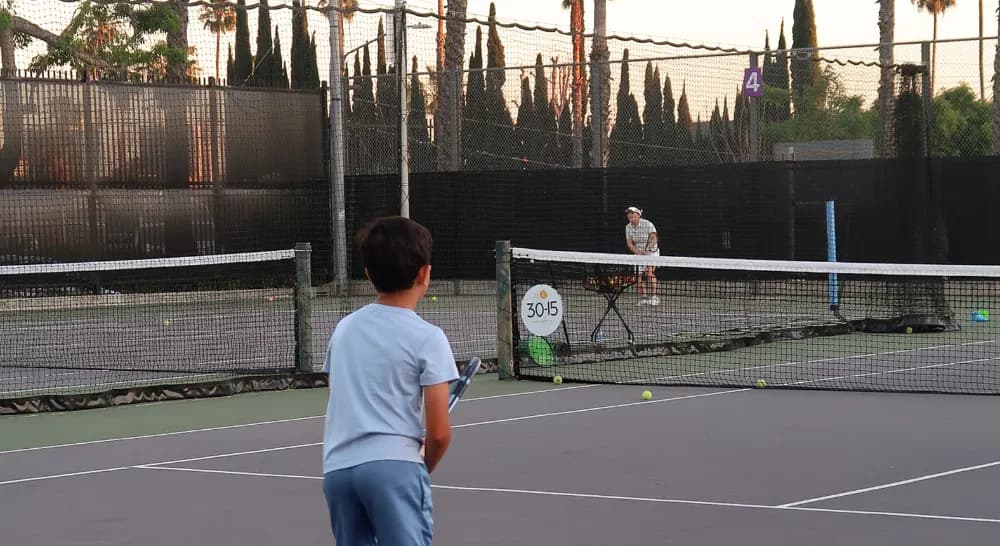
At 30-15 Tennis Academy, the coaching team includes co-founders Mher and Oleg, who focus on biomechanical precision and structured skill development. Their approach targets the technical fundamentals that create lasting improvement rather than quick fixes.
Group Coaching Rates
Group formats run $25-45 per person per session. Quality matters more than price here. A $30 class with 4 students gives you significantly more attention than a $25 class with 8 students.
Public recreation programs offer the lowest rates. Burbank Tennis Center runs 9-week sessions for $55 total, which breaks down to about $6 per hour. These fill up quickly and run on fixed schedules with limited flexibility.
Academy Membership Programs
Dedicated academies often structure coaching through monthly membership programs rather than single-lesson pricing. This provides consistent training schedules and often includes progress tracking, video analysis, and member benefits beyond just court time.
Monthly membership programs in the Glendale area typically run $390-955 depending on training frequency. Breaking that down per session, you're paying roughly $48-60 per group lesson, which is competitive for structured academy coaching with certified instructors.
What Affects the Price
Credentials and experience. Certified coaches charge more because certification costs them $600-800 plus ongoing education requirements. Experienced coaches with proven results command premium rates because their time is in higher demand.
Location and overhead. Private clubs add facility fees or court rental charges. Public court coaches avoid this overhead. Academy programs have higher base costs but include facilities, equipment, and structured curricula in the price.
Specialization. Coaches who specialize in competitive juniors, college prep, or specific technique corrections often charge more than general recreational instructors. The specialization creates more value for students with those specific needs.
How to Evaluate Coaches Before You Hire
Don't hire based on price or credentials alone. These questions reveal whether a coach actually fits your needs.
Ask About Their Teaching Experience
How long have you been coaching? What age groups and skill levels do you typically teach? Do you specialize in any particular aspect of the game?
These questions reveal whether their experience matches your situation. A coach who primarily develops competitive juniors might not be the best fit for a recreational adult beginner, even if they're highly qualified.
Understand Their Teaching Philosophy
How do you structure lessons for someone at my level? What does progress look like over the first three months? How do you handle students who learn slowly or get frustrated?
Listen for specific answers, not vague promises. A good coach describes their actual process, explains how they adapt to different learning styles, and sets realistic expectations.
Request a Trial Session
Any confident coach or program offers a trial before requiring package commitments. 30-15 provides a free first class specifically so you can evaluate the coaching approach, facility quality, and teaching style before paying for a package.
Use the trial to assess communication, instruction clarity, and whether you actually enjoy working with them. Chemistry matters. The most qualified coach won't help you if their personality or teaching style doesn't match your learning preferences.
Check References or Reviews
Look for specific feedback from students at your skill level. General praise like "great coach" tells you less than "helped me fix my serve toss in two lessons" or "finally broke through my 3.5 plateau after working together for six months."
Google reviews, Yelp ratings, and testimonials show patterns. One negative review isn't a dealbreaker. Multiple complaints about the same issue signal a real problem.
Clarify What's Included
Does the price include court time and balls? Is video analysis extra? Can you reschedule missed sessions? What happens if you need to pause training? Get these details upfront. Hidden fees or inflexible policies create frustration later.
Where to Find Quality Tennis Coaches in Glendale and Burbank
The area has multiple options across different price points and coaching styles.
Dedicated Tennis Academies
Academies offer the most structured experience with multiple coaches, consistent programming, and clear progression paths. You get assigned to coaches based on your level, and the curriculum ensures comprehensive skill development.
30-15 Tennis Academy operates in Glendale with junior programs starting at age 3, alongside adult classes. They cap group sizes at 4 players per court, which keeps everyone actively involved instead of standing around waiting.
Independent Coaches at Public Courts
Individual instructors who teach at Scholl Canyon, Glenoaks Park, or other public facilities offer more flexible scheduling and lower overhead costs. Quality varies significantly. Always request credentials and trial sessions before committing to packages.
Private Club Programs
Toluca Lake Tennis & Fitness Club and similar facilities require membership before accessing their coaching staff. Monthly membership fees typically run $150+ before lesson costs. The advantage is consistent access to quality facilities and established coaching staff.
Online Marketplaces
Platforms like PlayYourCourt, MyTennisLessons, and Thumbtack connect you with local instructors. These services vet coaches for credentials and background checks. The downside is you're hiring an individual, not joining a program, which means less structure and progression planning.
Red Flags to Watch For
These warning signs indicate coaches you should avoid.
No Trial Offered. Requiring full package payment upfront without any trial session signals a coach who doesn't want you evaluating their teaching before committing money.
Vague or Missing Credentials. If a coach can't clearly state their certification or teaching experience, they likely don't have formal training. Playing experience alone doesn't qualify someone to teach effectively.
Promises Unrealistic Timelines. "You'll be playing tournaments in three months" is a red flag. Real improvement takes consistent work over time. Coaches who overpromise are prioritizing sales over honest assessment.
Poor Communication or Disorganization. Frequently late to lessons, doesn't respond promptly, shows up unprepared. These indicate someone who doesn't take coaching professionally.
No Clear Progression Plan. After your first few sessions, you should understand what you're working on and why. If every lesson feels random with no connection between sessions, the coach is winging it.
Start Training With the Right Coach
The right tennis coach saves you months of frustration and wasted effort. They identify exactly what's holding you back, create a clear plan to fix it, and adjust their teaching to match how you learn best.
Certifications indicate someone invested in learning proper teaching methods. Experience shows they've successfully developed players over time. But the trial session reveals whether their coaching style actually works for you.
Don't skip the trial. One session shows you their communication style, instruction clarity, and whether you enjoy working with them. Your first class at 30-15 Tennis Academy is free. Evaluate the coaching, facility, and teaching approach before committing. Book your trial at 3015tennisacademy.com or call 818-722-3015. Ready to join? You can sign up today.
Frequently Asked Questions
Do I need a certified coach, or is playing experience enough?
Certification indicates someone learned proper teaching methods, passed tests on technique and instruction, and maintains ongoing education. Playing experience helps but doesn't automatically make someone an effective teacher. You can find excellent uncertified coaches, especially former competitive players who coach on the side. But they should clearly explain their teaching background and why you should trust their instruction despite lacking formal credentials.
How many lessons before I see improvement?
Most beginners notice improvement in basic stroke consistency after 6-8 lessons over 6-8 weeks. Intermediate players working on specific technique corrections might see changes in 3-5 sessions if they practice between lessons. Timeline depends heavily on practice frequency between lessons. Two sessions per week with daily practice accelerates progress significantly compared to weekly lessons with no practice in between.
Should I hire the same coach long-term or switch coaches periodically?
Stick with one coach through your initial skill development phase, typically 6-12 months. Frequent switching prevents consistent progression because each coach has different teaching methods and terminology. After you build solid fundamentals, getting perspective from different coaches can be valuable. But establish that foundation with one instructor first.
What if my coach and I don't click personality-wise?
Find a different coach. Chemistry matters more than credentials. If you dread lessons or feel uncomfortable asking questions, you won't make progress regardless of their qualifications. Most coaches understand this. A professional will appreciate honest feedback and help you find a better fit rather than taking it personally.
How do I know if my coach is actually helping me improve?
Track specific metrics. Are you holding rallies longer? Hitting serves in more consistently? Winning more points in matches? These concrete improvements matter more than subjective feelings. A good coach also provides clear feedback on what you've improved and what still needs work. If you can't identify specific skills that have gotten better after 10-12 lessons, something's wrong.