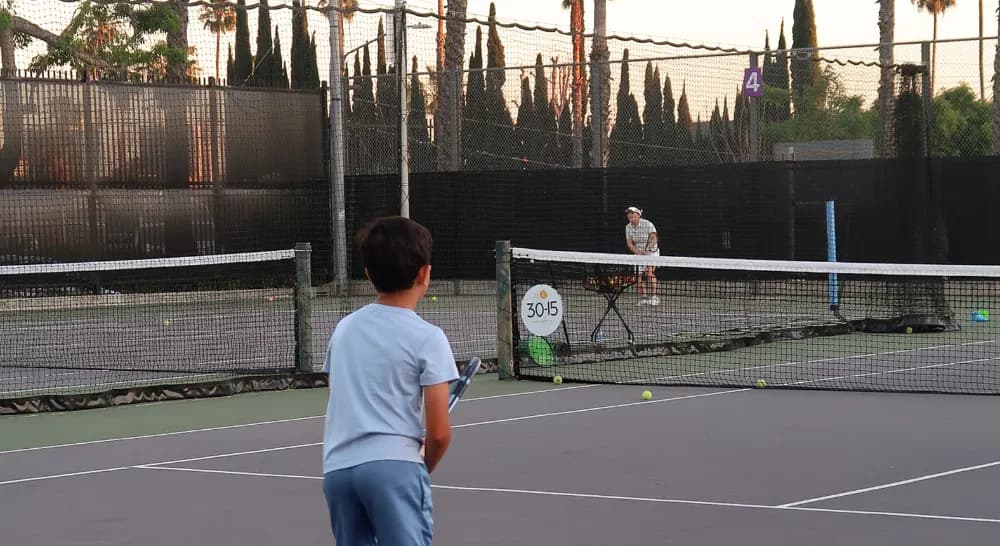
Tennis clubs and tennis leagues serve different purposes. Clubs provide coaching, training programs, and facility access. Leagues organize competitive match play between rated players.
The confusion comes because some clubs run internal leagues while USTA leagues operate independently across multiple facilities. You can join a league without club membership, join a club without playing leagues, or combine both for maximum tennis exposure.
This guide explains how tennis clubs and leagues work in Glendale, what benefits each provides, and how to find the right fit for your competitive level and social preferences.
Tennis Clubs vs Tennis Leagues: What's the Difference
Understanding the distinction prevents confusion when researching options.
What Tennis Clubs Provide
Tennis clubs are facilities offering coaching programs, court access, and member services.
Core services: Structured training programs, private lessons, group clinics, court reservations
Membership benefits: Priority booking, discounted rates, pro shop access, social events
Focus: Skill development, regular training, facility access
Clubs emphasize instruction and improvement. You join to develop your game through structured programs.
What Tennis Leagues Provide
Tennis leagues organize competitive match play between similarly-rated players.
Core activity: Scheduled matches against opponents at your skill level
League benefits: Regular competition, official ratings, advancement opportunities, team camaraderie
Focus: Competitive play, match experience, team participation
Leagues assume you already know how to play. They provide structured competition, not instruction.
How They Work Together
Many players combine club membership for training with league participation for competition.
You train at your club during the week, then play league matches on weekends. This combination accelerates improvement because you practice skills then test them under match pressure.
Some players only do clubs for recreational improvement. Others only play leagues for competitive matches. Both approaches work depending on goals.
Tennis Clubs in Glendale
Glendale has several facilities offering club-style memberships and programs.
30-15 Tennis Academy
Location School St, Glendale, CA 91202
Membership model Monthly training programs
What's included Structured coaching, small groups (4 max), systematic progression, ages 3-adult
30-15 operates as training-focused club emphasizing skill development through biomechanical precision and proper technical foundations.
Members receive guaranteed weekly time slots, certified coaching, and documented progression tracking. Programs available from recreational through competitive levels.
Contact: (818) 722-3015 or 3015tennisacademy.com
Glendale Tennis Academy
Locations Fremont Park (600 Hahn Ave) and Scholl Canyon (3800 E Glenoaks Blvd)
Membership model Court access plus training programs
What's included Court reservations, coaching programs, USTA partnerships, tournament preparation
Glendale Tennis Academy provides both court rental services and structured training programs. Operates at two locations with multiple courts.
Free open play times available alongside paid programs. Strong competitive development focus with USTA connections.
Contact: (323) 719-4975 or glendale-tennis.com
Burbank Tennis Center
Location 249 E Amherst Dr, Burbank, CA 91504
Membership model Facility membership with program discounts
What's included Reduced court rates, lesson discounts, 12 courts including 2 clay
Burbank Tennis Center operates as full-service facility offering both casual court rental and structured programs.
Membership reduces hourly court costs and provides discounts on lessons and clinics. Premium facility with excellent maintenance.
Contact: (818) 843-4105 or burbanktenniscenter.com
What to Look For in Tennis Club Membership
Evaluate clubs on what matters for your situation.
Training quality. If you want coaching, check instructor credentials, group sizes, and curriculum structure.
Court access. If you need practice time, understand booking priorities and availability during your preferred hours.
Membership cost vs benefits. Calculate whether membership discounts justify the upfront cost based on your usage.
Community fit. Visit during times you'd use the facility to see if the member culture matches your preferences.
USTA Tennis Leagues
USTA (United States Tennis Association) operates the country's largest recreational tennis league system.
How USTA Leagues Work
USTA leagues organize players by skill level using the NTRP (National Tennis Rating Program) system.
Rating levels: 2.5 (beginner) through 5.5 (advanced), with age divisions (18+, 40+, 55+, 65+)
Team format: Teams of 8-15 players compete in scheduled matches
Season structure: Local play (8-10 weeks), then playoffs, sectionals, and nationals for top teams
You join a team at your NTRP level. Teams meet weekly for matches against other local teams. Winners advance through championship levels.
USTA League Types Available
Adult 18+ League. Standard competitive league for players 18 and older. Doubles format. Most popular league type.
Adult 40+ League. For players 40 and over. Similar format but age-restricted competition.
Adult 55+ League. For players 55 and over. Recognizes that competitive intensity changes with age.
Mixed Doubles League. Teams include both men and women. Each match features male/female partnerships.
Tri-Level League. Combines different NTRP levels on same team (e.g., 3.0, 3.5, and 4.0 players).
FLEX League. Individual registration, flexible scheduling. You arrange match times directly with opponents.
Each league type runs multiple seasons yearly. Choose leagues matching your availability and competitive goals.
Finding USTA Leagues in Glendale
USTA leagues in the Glendale area operate under USTA Southern California.
Registration: Visit tennislink.usta.com to find teams in your area
Season timing: Leagues run year-round with registration opening 6-8 weeks before each season
Team finding: Contact facility coordinators or use USTA's free agent service to join existing teams
Many Glendale facilities host USTA league teams. Glendale Tennis Academy and Burbank Tennis Center both coordinate league play.
How to Get Your NTRP Rating
New players can self-rate by completing USTA's online questionnaire about their playing ability.
The system asks about consistency, shot types, match experience, and tactical awareness. Answer honestly because playing above your actual level creates frustration.
After playing league matches, the system generates a computer rating based on match results. This dynamic rating adjusts as you improve.
Social Tennis and Informal Leagues
Not everyone wants structured USTA competition. Informal options exist.
Club Internal Leagues
Many clubs organize internal leagues for members wanting regular match play without USTA structure.
These leagues typically run shorter seasons, require less time commitment, and emphasize social aspects alongside competition.
Results don't affect USTA ratings but provide organized match opportunities within your club community.
Round Robin Social Play
Round robin events let players rotate partners and opponents throughout an evening or weekend session.
Great for meeting other players at similar levels. Less competitive pressure than official league matches.
Many facilities schedule regular round robins. Check with Glendale Tennis Academy and Burbank Tennis Center for schedules.
Drop-In Play and Hitting Groups
Some clubs organize drop-in sessions where players show up and get matched for hitting or informal games.
Most casual option. No commitment required. Pay per session or included in membership.
Works well for beginners not ready for competitive league play or experienced players wanting relaxed hitting.
Organizing Your Own Group
Nothing prevents you from organizing informal matches with friends or people you meet at courts.
Coordinate through group texts, book courts at public facilities, and play on your schedule.
This DIY approach costs nothing beyond court fees but requires effort to organize and maintain participation.
Benefits of League Play
League participation offers specific advantages that casual play doesn't provide.
Regular Competitive Match Experience
Leagues guarantee weekly matches during season. This consistency accelerates improvement.
Training alone doesn't replicate match pressure. You need regular competition to develop mental toughness and strategic decision-making.
Objective Skill Measurement
USTA ratings provide clear measurement of your actual competitive level.
You know exactly where you stand relative to other players. This helps set realistic improvement goals.
Team Camaraderie and Social Connection
League teams create built-in social groups. You practice together, compete together, and often socialize off-court.
This community aspect keeps people engaged with tennis long-term.
Advancement Opportunities
Successful teams advance to sectionals and potentially nationals. Even recreational players can compete at championship levels.
This progression provides clear goals and motivation beyond local play.
Structured Schedule That Forces Consistency
League commitments make you show up regularly. Without this structure, many players skip practice when life gets busy.
Team accountability means you can't easily cancel. This consistency produces better results.
How to Choose Between Clubs and Leagues
Match your choice to actual goals and current skill level.
If You're New to Tennis
Start with club coaching programs, not leagues. You need fundamental skills before competitive play makes sense.
Spend at least 3-6 months in structured lessons developing consistent strokes. Then consider beginner-level leagues.
If You Want Regular Competition
USTA leagues provide the most organized competitive structure.
Choose league type based on time availability. FLEX leagues offer maximum scheduling flexibility. Team leagues require set match times.
If You Want Social Tennis
Club membership with round robin events combines social interaction with tennis.
Less pressure than league play but more structure than just hitting with friends.
If You Want Maximum Improvement
Combine club training programs with league participation.
Train 2-3 times weekly at your club, play league matches on weekends. This combination accelerates development faster than either alone.
If Budget Is Limited
League participation costs less than ongoing club membership.
USTA membership ($44 yearly) plus team fees (typically $30-60 per season) provides organized tennis at minimal cost.
How to Join a Tennis League
Getting started with league play follows clear steps.
Step 1: Get Your USTA Membership
Visit usta.com and purchase annual membership ($44). This membership covers all league participation nationwide.
Membership includes liability insurance, magazine subscription, and access to member benefits.
Step 2: Determine Your NTRP Rating
Complete the self-rating questionnaire through your USTA account. Be honest about your ability.
If uncertain between two levels, choose the lower one. Playing at appropriate level is more enjoyable than struggling above your ability.
Step 3: Find a Team
Visit tennislink.usta.com and search for teams in your area needing players at your rating level.
Alternatively, contact local facilities that coordinate league play and ask about teams recruiting members.
USTA offers a free agent service matching unattached players with teams needing members.
Step 4: Attend Team Practice
Most teams practice weekly before season starts. Attend these to meet teammates and understand team culture.
This also helps captain determine lineup based on player strengths and chemistry.
Step 5: Commit for the Season
League seasons run 8-12 weeks. Commit to attend matches and communicate if unavailable.
Teams rely on member availability. Frequent absences hurt team performance and create frustration.
Find Your Tennis Community
Tennis clubs and leagues provide different pathways to regular play and improvement. Clubs emphasize training and skill development through structured programs. Leagues organize competitive match play between rated players. Many players combine both for maximum tennis engagement.
30-15 Tennis Academy provides club-style structured training for all ages and levels. Monthly programs include small group instruction (4 players maximum), certified coaching, and systematic progression.
For USTA league information, visit tennislink.usta.com to find teams in your area. For club training programs, contact 30-15 at 3015tennisacademy.com or call 818-722-3015. Free trial session available to experience the coaching approach before committing. Located at School St in Glendale.
Frequently Asked Questions
Do I need club membership to play USTA leagues?
No. USTA leagues operate independently from club memberships. You only need USTA membership ($44 yearly) to participate in leagues. Many players join leagues without any club affiliation. League matches happen at various facilities, and teams coordinate court reservations separately.
Can I join a league if I've never played competitively?
Yes, but learn basic skills first. USTA offers 2.5 rating for beginners, but you should be able to rally consistently before joining. Take lessons for 3-6 months, develop reliable strokes, then try beginner-level league play. Starting too early creates frustration for you and teammates.
How much time does league play require?
Expect 2-4 hours weekly during season. This includes your scheduled match plus possible practice with teammates. Team leagues require showing up for specific match times (usually weekends). FLEX leagues let you schedule matches at your convenience throughout the week.
What if I don't have a team?
Use USTA's free agent service or contact local facility coordinators. Many teams actively recruit new members before seasons start. You can also form your own team if you know enough players at your rating level. Minimum roster is typically 8 players.
Can I play in multiple leagues simultaneously?
Yes. USTA allows participation in multiple league types during the same season. For example, you could play both 18+ and Mixed Doubles leagues. Be realistic about time commitment. Playing multiple leagues means 4-8 hours weekly during peak season. Make sure your schedule actually supports this.