If you have searched for tennis clinics near me around Glendale or Burbank, you have probably found a confusing mix of drop-in sessions, skill clinics, and full programs that all use the same word. They are not the same thing, and picking the wrong one wastes both money and court time.
A clinic is group instruction focused on drilling and repetition rather than a private lesson built around you. The format you join determines how much you actually hit, how much feedback you get, and whether you improve at all.
This guide breaks down the clinic formats you will find in the area, what each one costs, what good tennis drills look like, and exactly how to walk onto the court for your first session without feeling lost.
What a Tennis Clinic Actually Is
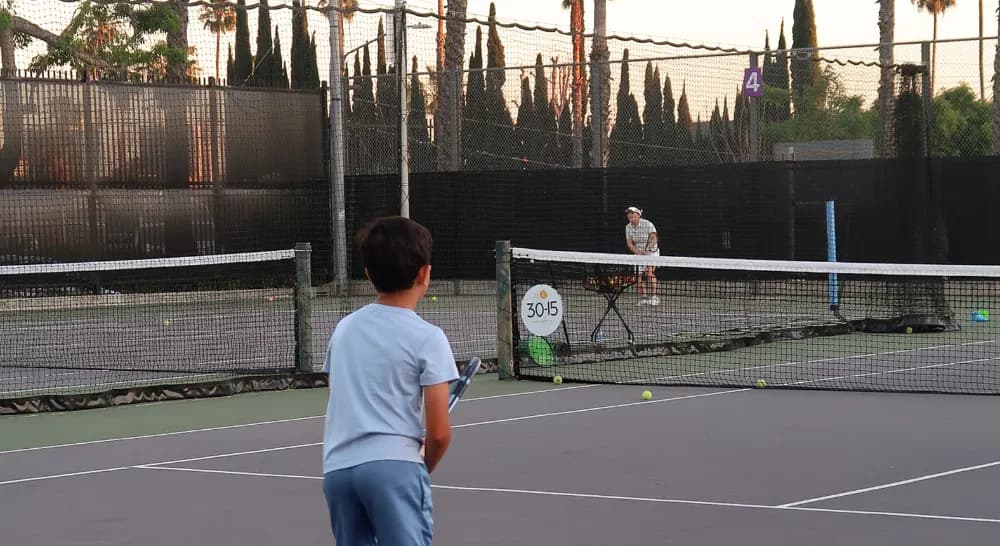
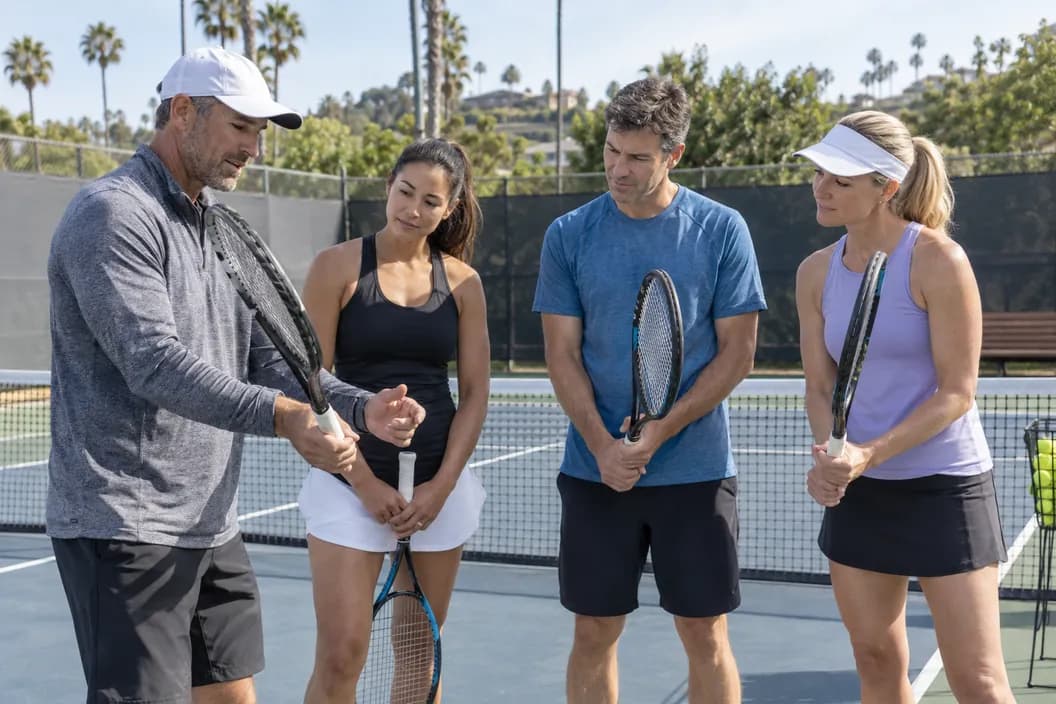
A clinic groups several players of similar level on one court for a set block of structured drilling. A coach feeds balls, runs rotations, and corrects technique while you work.
The point is volume. You hit far more balls in a clinic hour than you would in a casual hit with a friend, and a coach is watching every ball you miss.
Clinics also solve the partner problem. You do not need to coordinate schedules with a friend or worry about being outmatched. The coach handles grouping, feeding, and pace so you can focus only on hitting.
Clinic vs. Private Lesson vs. Open Hit
A private lesson is one-on-one and built entirely around your game. It is the fastest way to fix a specific flaw, but it is also the most expensive per hour.
An open hit is just rallying with another player. No coaching, no structure, no correction. Fun, but it bakes in bad habits as often as it builds good ones.
A clinic sits between the two. You get coaching and structured tennis drills at a fraction of private-lesson cost, with the bonus of live rallying partners at your level.
Types of Tennis Clinics You Will Find in Glendale and Burbank
Local clinics generally fall into four formats. Knowing which is which prevents you from signing up for the wrong thing.
Drop-In Clinics
You pay per session and show up when you can. No enrollment, no commitment.
Pros: Maximum flexibility, easy to try, good for travel-heavy schedules
Cons: Mixed levels on court, no progression tracking, no guaranteed spot if it fills
Drop-in works for players who want movement and a sweat more than a structured improvement plan. The trade-off is that you rarely build on the last session, because the group and theme change week to week.
Cardio and Fitness Tennis Clinics
These prioritize continuous movement over technical correction. Expect rapid-fire feeding, constant rotation, and a real workout.
Pros: Great conditioning, high energy, low pressure on technique
Cons: Limited individual feedback, not built for skill repair
Good for fitness-first players. Less useful if you are trying to rebuild a broken backhand.
Skill-Based Clinics
These focus on one theme per session: serves, volleys, returns, or footwork. The coach drills that skill in isolation, then layers it into points.
Pros: Targeted improvement, clear focus, measurable progress over weeks
Cons: Requires consistent attendance to build on each theme
This is the format most players actually need and most overlook.
Match-Play and Live-Ball Clinics
Less feeding, more live points. The coach sets up game-based drills so you practice under realistic pressure.
Pros: Transfers directly to match performance, sharpens decision-making
Cons: Assumes you already own the basic strokes
Best for intermediate and competitive players preparing for leagues or tournaments.
What Good Tennis Drills Look Like
Not all drilling is equal. A good clinic runs drills with a clear purpose, not just busywork to fill the hour.
Cross-Court Consistency Drills
Two players rally cross-court while the coach counts the streak. It builds rally tolerance and shot tolerance under fatigue.
Watch for a coach who raises the target as you improve. A static drill stops developing you fast.
Live-Ball Rotation Drills
Players rotate through positions while the coach feeds varied balls. You react to whatever comes, which mirrors real points far better than predictable feeds.
Situational Pattern Drills
You rehearse specific patterns: serve plus first forehand, approach plus volley, deep return plus recovery. Patterns are what win matches once strokes are reliable.
If a clinic only feeds you the same forehand fifty times in a row, you are getting exercise, not coaching.
How to Tell a Good Clinic From a Bad One
Two clinics at the same price can deliver wildly different results. A few signals separate the two before you ever pay.
Watch the Coach-to-Player Ratio
One coach to four players is strong. One coach to eight or more means you spend most of the hour standing in line waiting for your turn to hit.
Count the players on court during a trial. The ratio is the single biggest predictor of how much you will improve.
Listen for Individual Feedback
A good coach calls you by name and corrects your specific error, not just the group. Generic instructions shouted at everyone rarely fix anyone.
Check Whether Sessions Build on Each Other
Quality clinics follow a plan across weeks. Last week's volley work shows up in this week's points. Random themes with no thread waste the repetition you are paying for.
What Tennis Clinics Cost Around Glendale
Pricing depends on format, group size, and whether you commit to a block or pay per visit.
Drop-In Pricing
At 30-15 Tennis Academy, drop-in classes are $50 for one hour, $60 for 1.5 hours and $70 for two hours. Compare current options on the membership page.
The price often hides the real variable: group size. A $30 clinic with ten players gives you less coaching than a $40 clinic capped at four.
Clinic Packages and Memberships
Buying a membership can lower the per-session cost compared with drop-ins. The rate depends on your class length and weekly frequency; check the current membership options before booking.
Membership-style structures also guarantee your spot and place you with a consistent group at your level.
If you want to compare structured options, the coaching plans at most serious academies bundle clinics into a weekly schedule rather than charging you each time.
The Per-Session Math That Matters
Always divide total cost by hours, then factor in group size. Four players per court is the line where a clinic still feels like coaching rather than crowd control.
A slightly pricier clinic with a strict cap usually delivers more value than a cheap, overcrowded one.
How to Join Your First Tennis Clinic
Walking into your first clinic is simpler than it feels. Follow these steps.
Step 1: Be Honest About Your Level
Beginner, advanced beginner, intermediate, or competitive. Coaches place you with similar players so the rallies hold up. Overstating your level frustrates everyone, including you.
Step 2: Call Ahead and Ask Two Questions
Ask the group size cap and the session theme. Those two answers tell you whether the clinic fits your goal that day.
You can usually contact us by phone to confirm a spot, since drop-in clinics fill up fast on weekday evenings and weekend mornings.
Step 3: Bring the Right Gear
Your own racket, court shoes with non-marking soles, water, and a hat for daytime sessions. Clinics supply the balls.
If you do not own a racket yet, ask whether loaners are available before you buy one.
Step 4: Show Up Early and Warm Up
Arrive ten minutes early to stretch and meet the coach. Cold muscles in the first drill are how people tweak a shoulder or roll an ankle.
Basic etiquette goes a long way: collect balls between drills, keep rotations moving, and avoid hitting while the coach is talking. Coaches remember the players who keep the session flowing.
Tennis Clinics at 30-15 Tennis Academy
At 30-15 Tennis Academy in Glendale, clinic-style group training uses small groups so coaches can give individual feedback. Ask about the capacity of your chosen class when booking.
Sessions are run by certified tennis coaches led by founders Mher and Oleg, with structured tennis drills, live-ball rotations, and progression tracking rather than random feeding. Players from Glendale, Burbank, Pasadena, and La Crescenta train across recreational through competitive levels.
Because grouping stays consistent, each clinic builds on the last instead of resetting. You work the same skill themes over weeks, and the coaches track where your game moves so the drilling stays targeted to what you actually need.
Book Your First Clinic and Start Hitting More Balls
The fastest way to know if a clinic fits you is to try one. Eligible junior and adult beginner/intermediate group players can book a free trial. Adult advanced/Live Ball sessions do not include free trials; sign up to join. Call 818-722-3015 or visit us at School St, Glendale, CA 91202. Clinics and group training are available from age 3 through adult, with placement based on age and ability.
Frequently Asked Questions
How do I find tennis clinics near me in Glendale or Burbank?
Start by deciding what you want: fitness, skill repair, or match prep. Then search local academies and tennis centers and ask each one about group size and session themes. The closest clinic is not always the right one if it crams ten players onto a court. Calling ahead beats showing up cold, since drop-in spots are limited and the best small-group sessions fill quickly.
Do I need experience to join a tennis clinic?
No. Most areas run beginner clinics built specifically for first-timers, where the coach teaches grip, swing path, and basic footwork before any rallying. Just be honest about your level when you register so you land in a group that matches you.
How are tennis clinics different from tennis practice near me listings?
A practice listing or open hit is unstructured rallying with no coach. A clinic adds a coach, a plan, and targeted tennis drills. If your search for tennis practice near me only turns up court rentals, you are finding hitting time, not instruction.
How often should I attend clinics to improve?
Twice a week is the threshold where most players see steady improvement. Once a week maintains; twice or more builds. Consistency matters more than intensity for skill development.
Are drop-in clinics or memberships better value?
Drop-in wins on flexibility. Memberships win on cost per session, guaranteed spots, and consistent grouping. If you plan to train regularly, the membership math almost always comes out ahead.