Padel has exploded in popularity, and a lot of people in the Glendale area are now choosing between it and tennis. The two look similar from a distance, but they are genuinely different sports with different appeal.
The tennis vs padel question comes down to what you want from a racquet sport: a deep, technical, lifelong challenge, or a fast, social, easy-to-pick-up game you can enjoy from day one.
This guide compares the rules, courts, equipment, difficulty, and fitness demands of both, explains where to play each in the Glendale area, and helps you decide which one fits you best.
What Is Padel?
Padel is a racquet sport played almost entirely in doubles on an enclosed court about a third the size of a tennis court. The walls are part of the game, much like in squash.
You serve underhand, use a solid stringless paddle, and play with a ball similar to a tennis ball but slightly less pressurized. The enclosed court and underhand serve make rallies long and accessible, which is a big reason beginners love it.
Tennis vs Padel: The Key Differences
Both use a court, a net, and a ball, but the experience of playing each is distinct.
The Court
Tennis is played on an open court, singles or doubles, where the ball is dead once it leaves the lines. Padel is played inside a glass-and-mesh enclosure where balls can rebound off the walls and stay in play. That single difference changes the entire rhythm of the game.
Equipment
Tennis uses a strung racket and pressurized balls. Padel uses a solid, perforated paddle with no strings and a slightly softer ball. Padel gear is generally cheaper to get started with, while tennis offers far more equipment variety as you advance.
The Serve
Tennis serves are overhead and can be powerful, which makes the serve a skill that takes months to develop. Padel serves are underhand and must bounce before being struck, so beginners can serve competently almost immediately.
Scoring
Here the two are nearly identical. Padel uses the same 15, 30, 40, game scoring as tennis, with sets won at six games. If you know one, you know the other. This shared scoring is part of why tennis players find padel easy to try.
Singles vs Doubles
Tennis is commonly played as both singles and doubles. Padel is almost always doubles, which makes it inherently social. If you want a partner-based, conversational game, padel leans that way naturally.
Padel vs Tennis Difference in Difficulty
This is the question most people really care about, and the honest answer favors each sport in different ways.
Padel Is Easier to Start
The smaller court, underhand serve, walls that keep balls in play, and doubles format mean most people can have fun rallies on their first day. The learning curve at the start is gentle, which is Padel's biggest draw.
Tennis Offers More Depth
Tennis has a steeper early learning curve, the serve and groundstrokes take real practice, but its ceiling is far higher. The variety of shots, spins, tactics, and the physical demands give you something to refine for life. Many players find that depth deeply rewarding.
Skills Transfer Both Ways
Good hand-eye coordination, footwork, and court sense help in both sports. Tennis players often pick up padel quickly because of shared scoring and instincts, while padel players gain touch and net skills that translate back to tennis.
Fitness and Social Differences
How each sport feels to play is worth weighing alongside the rules.
Tennis, especially singles, is more physically demanding. You cover more ground, hit harder, and play longer points across a bigger court. It is excellent conditioning and a serious athletic challenge.
Padel is lower-impact and more social by design. The doubles format and smaller court mean less ground to cover, which makes it friendly for a wider age range and for players returning from injury. Both are great exercise, just at different intensities.
There is also a longevity difference worth noting. Because tennis offers singles, doubles, and endless tactical variety, players can keep it challenging for decades. Padel's social, low-impact nature makes it easy to enjoy casually, which appeals to players who want fun over a lifelong technical pursuit.
Cost and Accessibility Compared
Money and convenience often decide which sport sticks, so weigh both honestly.
Cost to Get Started
Padel has a lower entry cost. A beginner paddle runs roughly $50 to $100, and because padel is doubles, you split court rental four ways. There is little other gear to buy.
Tennis costs a bit more to begin, with a beginner racket around $60 to $120 plus court shoes, but public courts are often free, and the long-term variety justifies the spend for committed players.
Court Availability
This is where the two diverge most in the Glendale area. Tennis courts are everywhere, public and private, so finding a place to play is rarely a problem. Padel courts are fewer and usually require booking at a dedicated club, which can mean travel and reservation fees.
If you want to play spontaneously and often, tennis wins on convenience today. If you are happy to book sessions at a club, padel works fine.
How to Get Started in Either Sport
Trying before committing is the smartest approach for both.
Step 1: Borrow or rent gear first. Many clubs and coaches provide loaner paddles or rackets so you do not buy before you know you like the sport.
Step 2: Take a lesson or two. A coach shortcuts months of frustration in either game, and it tells you fast whether the sport clicks for you.
Step 3: Find regular partners or a program. Both sports are more fun and you improve faster with consistent play, ideally with some structure.
Step 4: Decide based on how it feels, not the hype. Padel is trendy right now, but the right sport for you is the one you actually look forward to playing.
Where to Play Each Sport in Glendale
Availability matters when you are choosing what to play regularly.
Tennis in Glendale
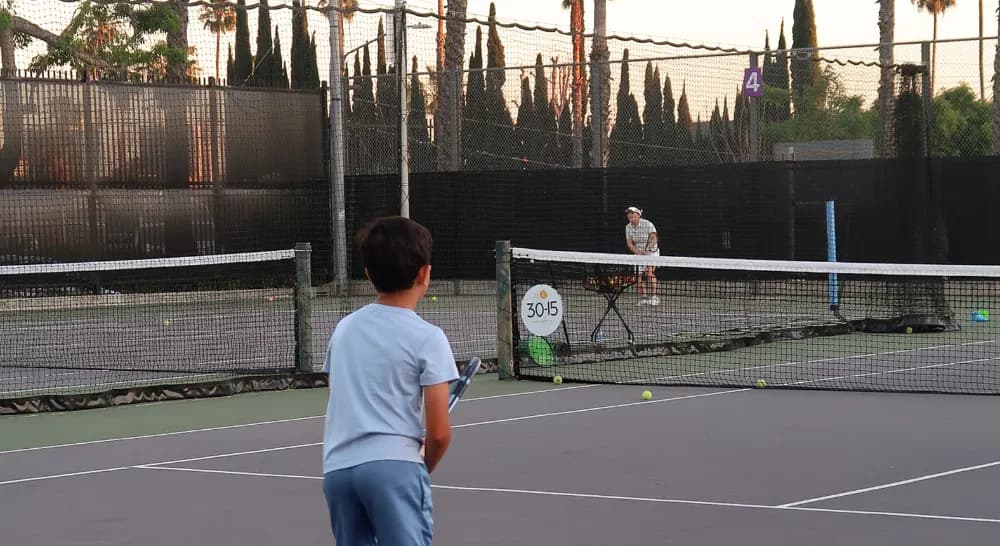
Tennis is well established here. There are public courts across Glendale and neighboring Burbank, Pasadena, and La Crescenta, plus dedicated coaching at our tennis academy in Glendale, where players of every level train year-round. Finding a court, a partner, or a coach is easy.
Padel in Glendale
Padel is growing across Southern California, with new clubs and courts opening steadily. If you search for padel courts near me in the Glendale area, you will find a smaller but expanding network. Availability is improving, though it still trails tennis in total court count.
If consistent access and a deep coaching pipeline matter to you, tennis currently has the edge in this area simply because it is more established.
Which Racquet Sport Suits You?
Use this quick guide to decide.
Choose padel if: you want a fast, social, doubles-focused game, you prefer a gentle learning curve, or you want something low-impact you can enjoy immediately.
Choose tennis if: you want a lifelong technical challenge, you enjoy both singles and doubles, you want serious fitness, or you value abundant courts, partners, and coaching.
Honestly, there is no wrong answer, and many people play both. But if you want a sport with depth, structure, and a clear path to improve for years, tennis is hard to beat.
Tennis Coaching at 30-15 Tennis Academy
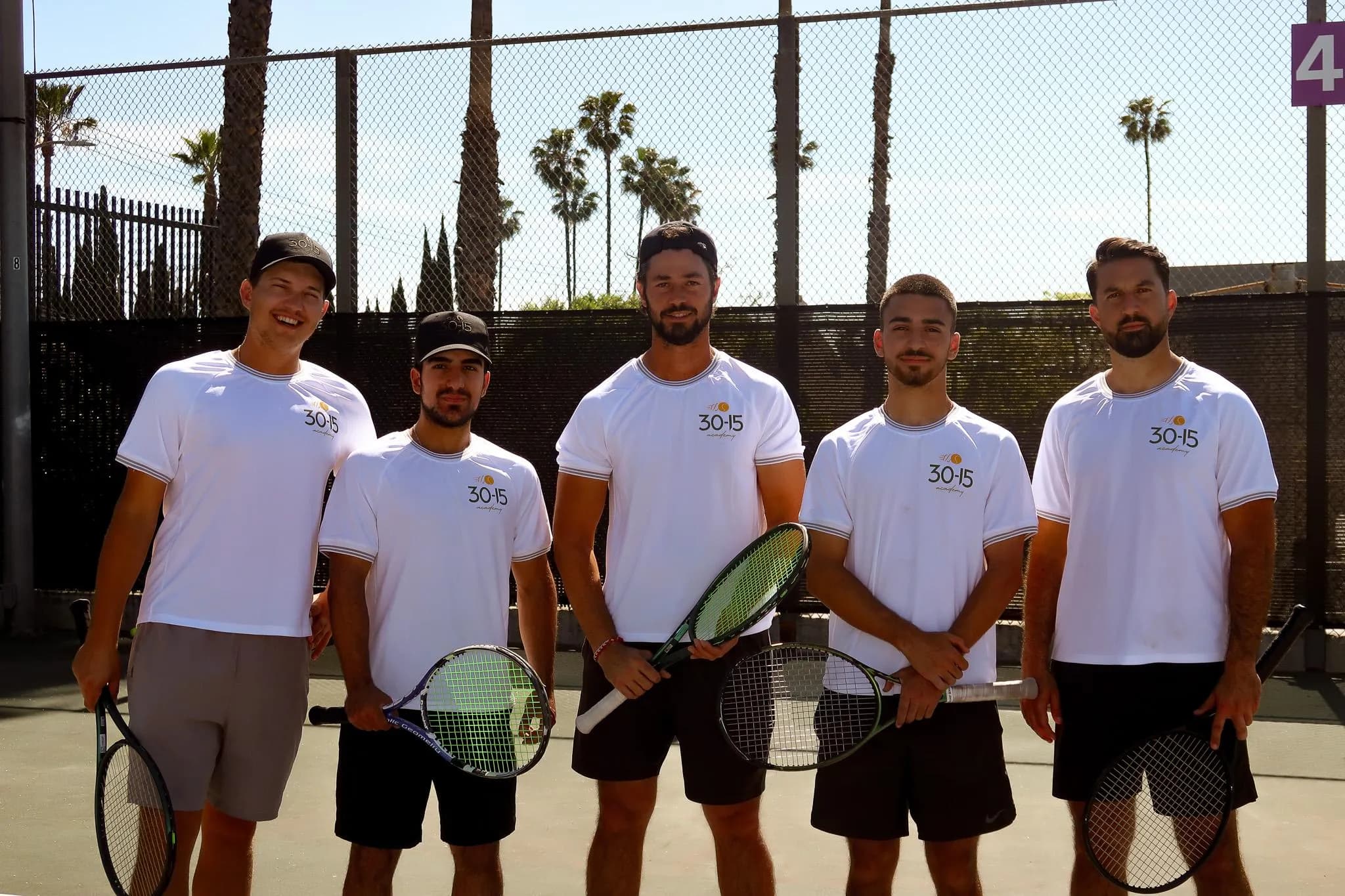
If tennis is the racquet sport you want to commit to, structured coaching is how you actually improve. Our coaching plans take you from first contact with the ball to competitive match play, with small groups and dedicated attention.
Curious whether tennis is for you? The easiest way to find out is to get on court with a coach. Reach out through our contact page and try a session before deciding. We work with players ages 4 and up, so the whole family can get involved.
Coaching quality is what makes the difference between dabbling and genuinely improving. Our certified tennis coaches teach proper technique from your very first session, so the time you put in actually translates into better tennis.
Try Tennis and See for Yourself
The best way to settle the tennis vs padel debate for yourself is to step on court and feel the game. Come try a complimentary first session and let our coaches show you what tennis has to offer. We welcome players ages 4 and up at School St, Glendale, CA 91202. Call 818-722-3015 or book a free trial to get started.
Frequently Asked Questions
What is the main difference between tennis and padel?
The biggest difference is the court. Padel is played inside an enclosed court where balls rebound off glass walls and stay in play, while tennis is played on an open court where balls out of bounds are dead. Padel also uses a stringless paddle and an underhand serve, while tennis uses a strung racket and overhead serves.
Is padel easier than tennis?
Padel is easier to start. The smaller court, underhand serve, walls, and doubles format let most beginners enjoy real rallies on day one. Tennis has a steeper early learning curve but a much higher ceiling, offering more shots, tactics, and challenges to refine over a lifetime.
Can I play both tennis and padel?
Yes, and many people do. The two share the same scoring system, and skills like footwork, hand-eye coordination, and net play transfer between them. Tennis players often pick up padel fast, and padel players gain touch that helps their tennis.
Where can I play padel near Glendale?
Padel is growing across Southern California, and new courts are opening in and around the Glendale area. Searching for padel courts near me will show the current options, though the network is still smaller than tennis. Tennis courts and coaching remain far more widely available locally.
Which sport is better for fitness?
Both provide excellent exercise. Tennis, especially singles, is more physically demanding because you cover a larger court and play longer points, making it a stronger conditioning workout. Padel is lower-impact and more social, which suits a wider age range and players who want a gentler game.