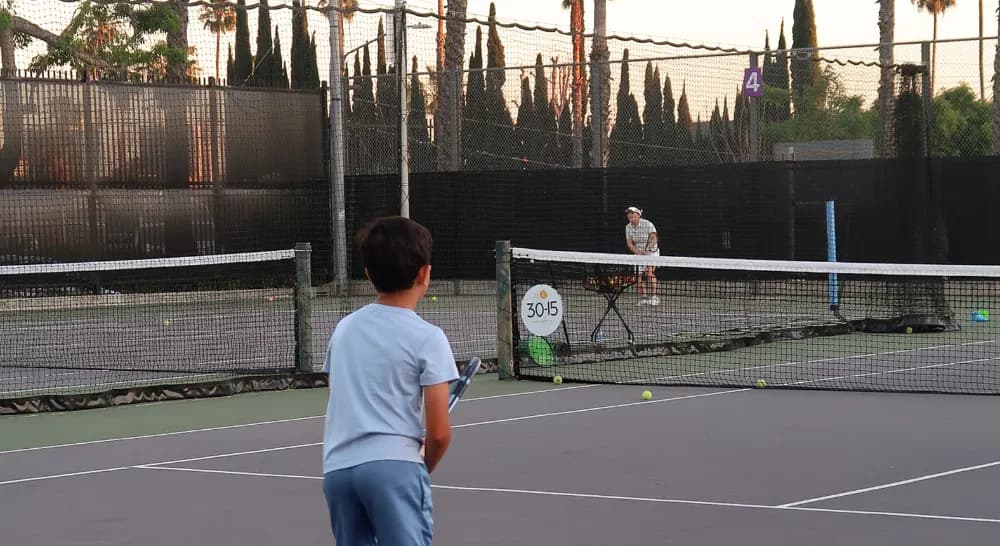
Plenty of women want to play tennis but stall at the same point: they do not want to learn in a group of strangers who already play well, and they do not have a ready-made circle to play with. Women tennis lessons in Glendale that are built around women solve both problems at once.
A ladies-only environment changes the whole experience. The pace is welcoming, the instruction is geared to how the group actually learns, and the social side is part of the design rather than an afterthought.
This guide covers the formats available, how leagues and social play work, what it costs, and exactly how to find and join a community you will actually want to keep showing up for.
Why Women's-Specific Tennis Programs Exist
Mixed beginner classes often move at the pace of whoever is most aggressive. Women's programs are built to remove that pressure entirely.
The result is a space where asking questions feels normal, where the social connections form naturally, and where the goal is steady progress rather than competing for the coach's attention.
For many women, the format also removes a practical barrier: a class scheduled around school drop-off or a midday window is far easier to commit to than evening sessions built for someone else's routine.
It Is About Comfort, Not Lowered Standards
A common misconception is that ladies-only means easier. It does not. The coaching is just as technical; the environment is simply more supportive and the grouping more consistent.
Many women progress faster in this setting precisely because they are not self-conscious about making mistakes while they learn.
Community Is the Real Draw
Skill matters, but the reason women stay is the group. A standing ladies tennis group becomes a weekly anchor: familiar faces, easy conversation, and people who notice when you miss a week.
What Tennis Gives Women Beyond Fitness
The fitness is real, but most women who stick with tennis cite reasons that go well beyond the workout.
A Mental Reset
An hour tracking a ball leaves no room to ruminate on work or the to-do list. Players describe it as one of the few activities that fully clears the head.
Confidence That Transfers
Learning a physical skill as an adult, especially one you doubted you could do, builds a quiet confidence that shows up off the court too. Hitting a clean serve for the first time is a genuinely good feeling.
A Sport for the Long Run
Tennis is something you can play for decades. The investment you make learning now pays back across the rest of your life, unlike many short-lived fitness trends.
Formats: Lessons, Leagues, and Social Play
Women's tennis comes in several formats. Most players mix two or three over time.
Ladies-Only Group Lessons
Small groups of women at a similar level working on technique and drills together. The backbone of most women's programs.
Pros Supportive pace, built-in peers, lower cost than private lessons
Cons Less individual time than a private
Ideal for beginners and improvers who want both instruction and company.
Private and Semi-Private Lessons
One-on-one or paired with a friend. The fastest way to fix a specific stroke or build confidence before joining a group.
Pros Fully personalized, flexible scheduling, great for a quick confidence boost
Cons Higher per-hour cost, no group energy
Many women take a few privates first, then move into a group once their strokes feel reliable.
Social Play and Round Robins
Organized casual play where you rotate partners and opponents. Light on instruction, heavy on fun and connection.
Pros Pure community, low pressure, great way to apply what you have learned
Cons Not a substitute for coaching if you are still learning fundamentals
Women's Leagues
Structured competitive play through a women tennis league, usually grouped by level so matches stay fair and fun.
Pros Goals, schedule, camaraderie, real match experience
Cons Requires a baseline of stroke reliability first
How Women's Tennis Leagues Work
Leagues sound intimidating until you understand the structure. Most are friendlier than they appear.
Level-Based Grouping
Leagues group players by skill rating so you compete against women at roughly your level. You are not thrown in against players far above you.
This grouping is what keeps league play enjoyable rather than discouraging.
Team and Social Structure
Many women's leagues are team-based, so you play alongside the same group week to week. The matches matter, but the bonding off court often matters more.
If competition is not your thing, social round robins offer the league feel without the standings.
Getting Match-Ready
Before joining a league, a season of group lessons builds the reliable strokes and basic strategy you need to enjoy matches. Jumping in too early is the main reason new players bounce off competitive play.
What Women's Tennis Costs in Glendale
Cost depends on format and frequency. Here is the realistic range.
Group Lessons and Clinics
Ladies-only group sessions generally run $25 to $50 each, with package and membership rates lowering the per-session cost.
Group size is the variable that matters most. A cap of four to six keeps the coaching personal and the rallies productive.
Monthly Memberships
Ongoing plans around two to three sessions a week typically fall in the $390 to $585 per month range at structured academies.
Reviewing the coaching plans helps you find a frequency that matches both your schedule and your goals, especially if you want to combine lessons with regular social play.
Private Lessons
Private coaching commonly runs $80 to $120 per hour. A few privates to build confidence, then group sessions for volume and community, is a popular and cost-effective path.
What to Look for in a Women's Program
Not every program labeled women-friendly delivers. A few markers separate the ones worth your time.
Small, Capped Groups
A hard cap of four to six players is the line where coaching stays personal and the rallies stay productive. Larger groups turn into waiting in line, which kills both progress and momentum.
Consistent Coaching and Grouping
The same coach and the same core group week to week is what builds both skill and friendship. Programs that shuffle coaches and players every session never develop either.
A Clear Path Forward
Look for a program that shows you what comes next, from beginner lessons to social play to league tennis. A clear progression keeps the sport interesting long after the basics click.
How to Find and Join a Women's Tennis Community
Joining is easier than it feels. These steps get you on court and connected.
Step 1: Decide What You Want First
Instruction, social play, competition, or a mix. Your answer points you to the right starting format. Most women begin with group lessons and add social or league play later.
Step 2: Be Honest About Your Level
Beginner, improver, or experienced. Accurate placement means you land with women who learn and play at your pace, which makes the whole thing enjoyable from day one.
Step 3: Try a Session Before Committing
The best way to judge the vibe of a group is to play with it once. You can book a free trial to feel the coaching and the community before signing up for anything.
Step 4: Show Up Consistently for the First Month
Communities form through repetition. Coming the same time each week is how you go from new face to regular, and how the friendships actually take hold.
Women's Tennis at 30-15 Tennis Academy
At 30-15 Tennis Academy in Glendale, women train in small groups capped at four to six, so the pace stays welcoming and the coaching stays personal. Programs run for every level from first-timer through experienced league player.
The certified tennis coaches, led by founders Mher and Oleg, build supportive, technically sound sessions where women progress without pressure. Players come from Glendale, Burbank, Pasadena, and La Crescenta, and the consistent grouping is what turns a class into a community.
Because groups stay the same week to week, the social side builds on its own. You see the same faces, the rallies get sharper, and the coaching keeps pace with where the group actually is rather than restarting every session.
Join a Tennis Community That Fits You
The fastest way to know if a women's program is right for you is to play once and feel it. Your first session is complimentary at 30-15 Tennis Academy, so you can meet the coaches and the group with no commitment. Book a free trial by calling 818-722-3015 or visiting School St in Glendale. Programs serve ages 3 through adult, with supportive women's coaching at every level. Come hit, meet the group, and find your court.
Frequently Asked Questions
Do I need any experience to start women tennis lessons in Glendale?
None at all. Beginner women's groups are built for first-timers and start with grip, swing, and movement before any rallying. Everyone in a true beginner group is starting from the same place, which removes most of the nerves. If you would rather build confidence privately first, a couple of one-on-one lessons before joining a group works well too.
What is a ladies tennis group actually like?
Welcoming and social. A ladies tennis group is a consistent set of women at a similar level who train and often socialize together. The standards stay high, but the atmosphere is supportive rather than competitive.
How do I join a women tennis league?
Build reliable strokes through a season of group lessons first, then ask your coach about leagues that match your level. Most women tennis league play is grouped by skill rating, so you compete against players at your level rather than being overmatched.
Is tennis for women a good way to stay fit?
Yes. Tennis combines cardio, strength, balance, and coordination in one activity, and the social structure keeps you coming back. For many women, tennis for women succeeds as fitness precisely because it is fun and built around community rather than a solo workout.
Can I bring a friend to start together?
Absolutely, and it is one of the easiest ways to begin. Many women start with a friend in a semi-private lesson or join the same group. Having a familiar face makes the first few sessions feel effortless.