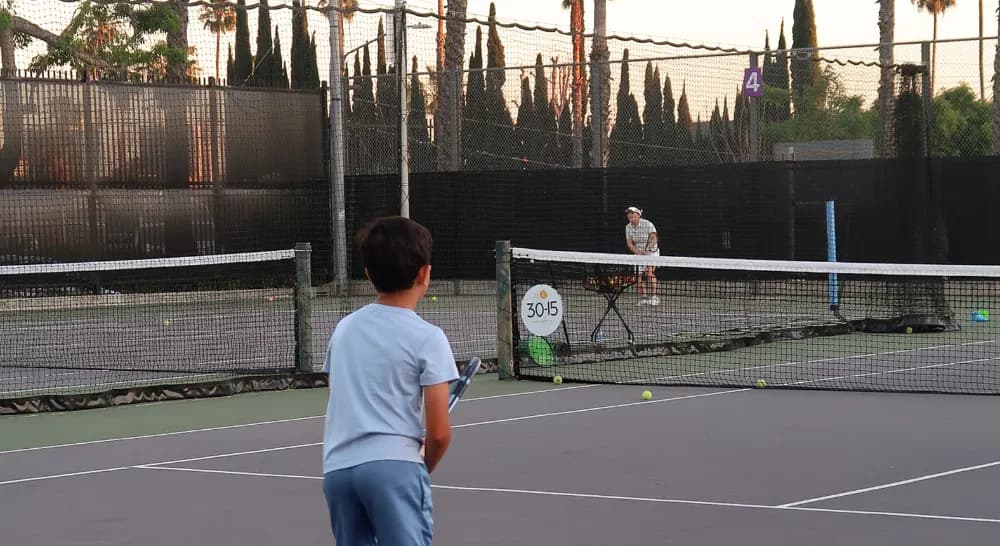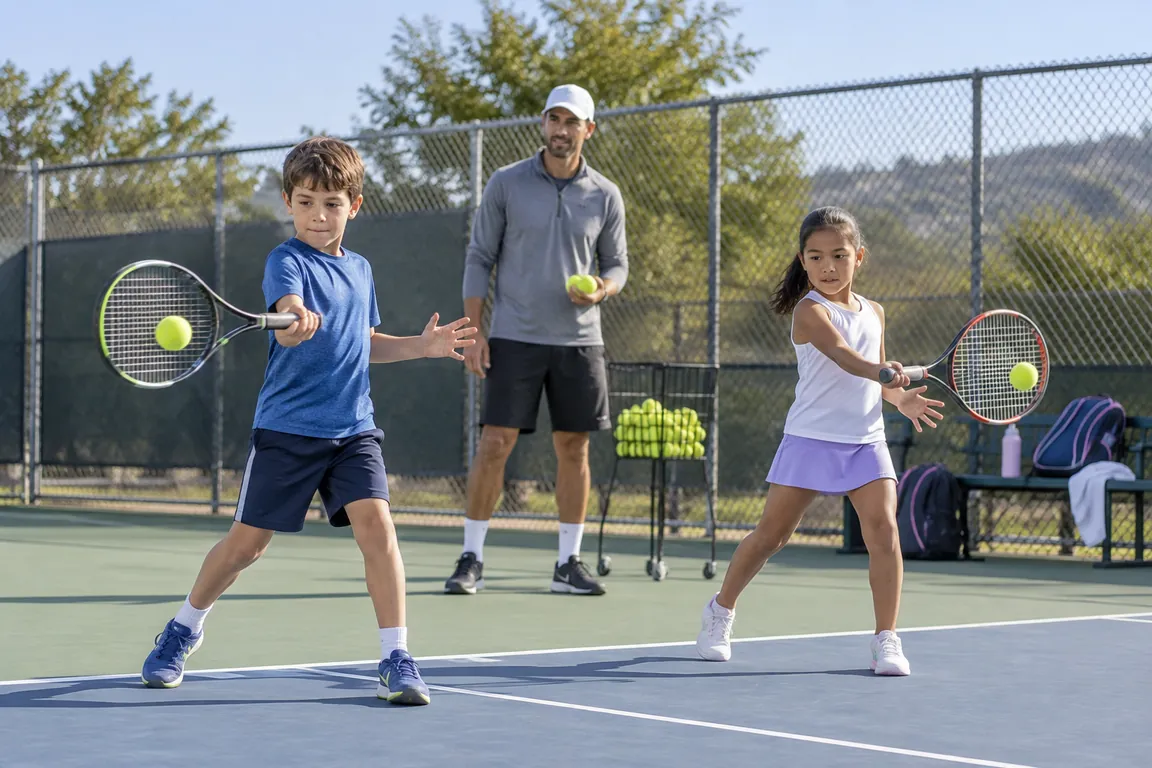
For parents in Glendale looking for a structured, skill-building activity after school, tennis checks every box it builds coordination, teaches discipline, and keeps kids active in a way that feels less like exercise and more like play. At 30-15 Tennis Academy, after-school programs are built specifically around kids' schedules, with age-grouped classes that meet multiple times a week on weekday afternoons.
This guide covers every after-school tennis program available by age group, how scheduling works, what your child will actually learn, and exactly how to get them enrolled.
Why After-School Tennis in Glendale Is Worth Considering
Glendale parents have no shortage of after-school options: dance, martial arts, academic tutoring, soccer leagues. What makes tennis a strong choice is that it combines physical conditioning, mental focus, and social development in one session. Check the junior program schedule for current afternoon availability.
Unlike team sports where a child can blend into the background, tennis requires every player to be engaged, make split-second decisions, and develop personal accountability on the court. Those habits carry over into the classroom.
From a logistics standpoint, after-school tennis programs in Glendale at 30-15 Tennis Academy are designed to be parent-friendly: fixed weekly time slots, consistent coaches, and a clear progression system so you always know where your child stands.
After-School Tennis Programs by Age at 30-15 Tennis Academy
30-15 uses a ball-color progression system aligned with USTA junior development standards. Each stage has its own court dimensions, ball compression, and skill targets so a 6-year-old is never on the same court hitting the same ball as a 10-year-old. Here is what each level looks like after school.
Red Ball Ages 3 to 5
The Red Ball program is where everything starts. At this stage, the goal is not technique it is comfort. Kids learn how to hold a racket, track a slow-moving foam ball, and follow basic instructions in a group setting.
Red Ball classes run for one hour, are high-energy, and are built around games and movement drills rather than traditional stroke work. If your child is in pre-K or kindergarten and you want an after-school activity that is both physical and fun, this is an ideal entry point.
What kids develop: hand-eye coordination, listening skills, basic court awareness, comfort with a racket.
Orange Ball Ages 6 to 8
The Orange Ball stage is where kids start learning actual tennis. The orange ball is 50% slower than a standard yellow ball, which gives younger players enough time to set their feet, prepare their racket, and develop real stroke mechanics forehand, backhand, and serve fundamentals without getting overwhelmed by pace.
Class length depends on the Orange Ball level; check the Orange Ball schedule for current durations. Coaches introduce rally counting, basic court positioning, and cooperative play. Kids in first and second grade who join at this stage often develop a genuine love for the sport because they start winning small rallies quickly.
What kids develop: forehand and backhand mechanics, serve introduction, footwork patterns, rally consistency.
Green Ball Ages 9 to 11
The Green Ball program is the bridge between junior development and real match play. The green ball travels at about 75% of full speed, played on a full-size court. At this level, kids are learning to compete, not just cooperate.
After-school Green Ball classes at 30-15 cover strategy for the first time: where to place the ball, when to come to the net, how to construct a point instead of just hitting back and forth. Kids in this group are typically in grades 4 through 6.
What kids develop: point construction, competitive mindset, basic strategy, consistent baseline rallying, serve-and-return patterns.
Yellow Ball Ages 12 and Up
The Yellow Ball / Teen program is full tennis on a full court. This is where junior players are preparing for interscholastic tryouts, USTA junior tournaments, or simply want to play serious match tennis with peers their age.
After-school sessions at this level include live ball drilling, match-play sets, point analysis, and conditioning. Coaches work on second-serve mechanics, doubles positioning, mental game under pressure, and physical conditioning specific to tennis movement patterns.
What kids develop: tournament-level technique, full-match strategy, serve mechanics, mental resilience, physical conditioning.
After-School Scheduling Options
30-15 Tennis Academy offers junior training at times that vary by ball stage and level. Check the current junior schedule for available days and start times before choosing an after-school slot.
Most after-school programs are offered as weekly recurring memberships your child attends their assigned time slot each week rather than booking session by session. This creates routine, which is one of the biggest drivers of improvement in junior players.
How many days per week: One-, two-, three- and four-class-per-week memberships are available. Choose a frequency that fits your child's goals and the available schedule.
Session length: Classes run from one hour at introductory stages to two hours for intermediate/advanced Yellow Ball. Check your stage and level on the junior tennis page for its current duration.
Session size: Classes are kept small so your child gets individual instruction. Ask the academy about capacity for the specific group you are considering.
Private lessons as an add-on: Some families pair group after-school sessions with one private lesson per week for accelerated progress. The private tennis program is available as an add-on to any junior membership.
What Your Child Will Actually Learn
It helps to know what a typical after-school tennis session looks like at 30-15, because it is not what most people picture when they imagine tennis class.
Sessions generally include the following elements, with time divided according to age, level and class length:
Warm-up: Dynamic movement drills ladder runs, lateral shuffles, reaction ball work that prepare the body for tennis movement specifically.
Technical drilling: Focused repetition on the stroke or skill the coach has identified as the week's priority. For Orange Ball kids this might be getting the racket back early. For Green Ball players it might be building depth on groundstrokes.
Live ball / game play: Competitive elements where kids apply what they drilled. This is where the fun happens and where skills get internalized.
Cool-down and feedback: A brief recap of what was covered and what to focus on before next class.
Progress is tracked by coaches and shared with parents, so you know when your child is ready to advance to the next ball color, a milestone most kids take genuine pride in.
How to Enroll in After-School Tennis in Glendale at 30-15
Enrollment is straightforward and does not require any prior experience or equipment.
Step 1: Book a free trial class. Every new junior player at 30-15 starts with a free trial session. This lets coaches place your child in the right age and skill group before you commit to a membership.
Step 2: Get placed in the right program. After the trial, coaches will recommend the appropriate ball-color level based on what they observed. This takes the guesswork out of picking a program.
Step 3: Choose your schedule. Once you know the program, you select the specific after-school time slot that works for your family's weekday schedule.
Step 4: Complete enrollment. Head to the signup page or use the member portal to finalize the membership and choose your weekly days.
Equipment: 30-15 provides rackets and balls for trial sessions. Once enrolled, coaches will recommend the right racket size for your child based on age and arm length a detail that matters more than most parents realize.
For a broader look at what junior programs look like across age groups, the kids tennis overview covers costs, what parents should expect, and how each stage builds on the last.
Ready to Book an After-School Tennis Trial?
If you are looking for after-school tennis in Glendale that matches your child's age, fits your weekday schedule, and actually teaches the sport rather than just keeping kids busy 30-15 Tennis Academy is worth a visit. The free trial removes all the risk: your child gets on the court, works with a coach, and you see firsthand whether it is the right fit before committing to anything.
Book your child's free trial here or complete enrollment directly if you already know which program is right for your child.
Frequently Asked Questions
What is the youngest age for after-school tennis in Glendale?
30-15 Tennis Academy accepts players starting at age 3 in the Red Ball program. At this stage sessions are play-based and short, designed for attention spans of young children.
Do kids need their own racket to start?
No. The academy provides equipment for trial sessions. Once your child enrolls, coaches will recommend the correct racket size, which makes a real difference in how quickly they develop proper stroke mechanics.
How long before my child starts looking like a real tennis player?
Progress varies with age, starting level and practice frequency. Coaches monitor rally consistency and movement, then introduce competitive points when the player is ready. Consistent attendance helps skills develop.
Can my child join mid-season or mid-month?
Yes. Enrollment is open on a rolling basis and is not tied to a school semester calendar. You can join at any point in the year.
What if my child is placed in the wrong level?
Coaches monitor this closely and adjustments are easy to make. Moving up a level is common it is treated as a positive milestone, not a disruption.
Is there a sibling discount if I enroll more than one child?
Contact the academy directly via the signup page or the contact page to ask about current membership pricing for multiple children in the same family.