Quick answer: Glendale's climate makes year-round outdoor tennis practical on many days. Cooler fall and winter temperatures can be comfortable for practice, with rain and court conditions determining whether a session can safely go ahead. For players joining a structured program, check current seasonal schedules and availability for the level you need.
Tennis in Glendale Is Not a Summer-Only Sport
One of the most persistent misconceptions about tennis in Southern California is that it is primarily a warm-weather activity. In a climate where summer temperatures regularly push into the 90s, the cooler months are not a concession to off-season training; for many players, they are the preferred time to be on the court.
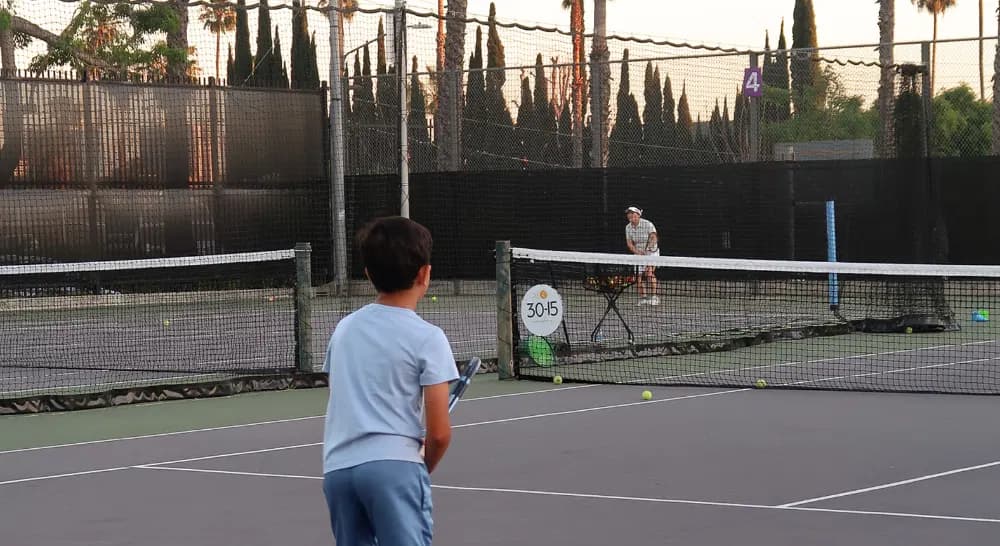
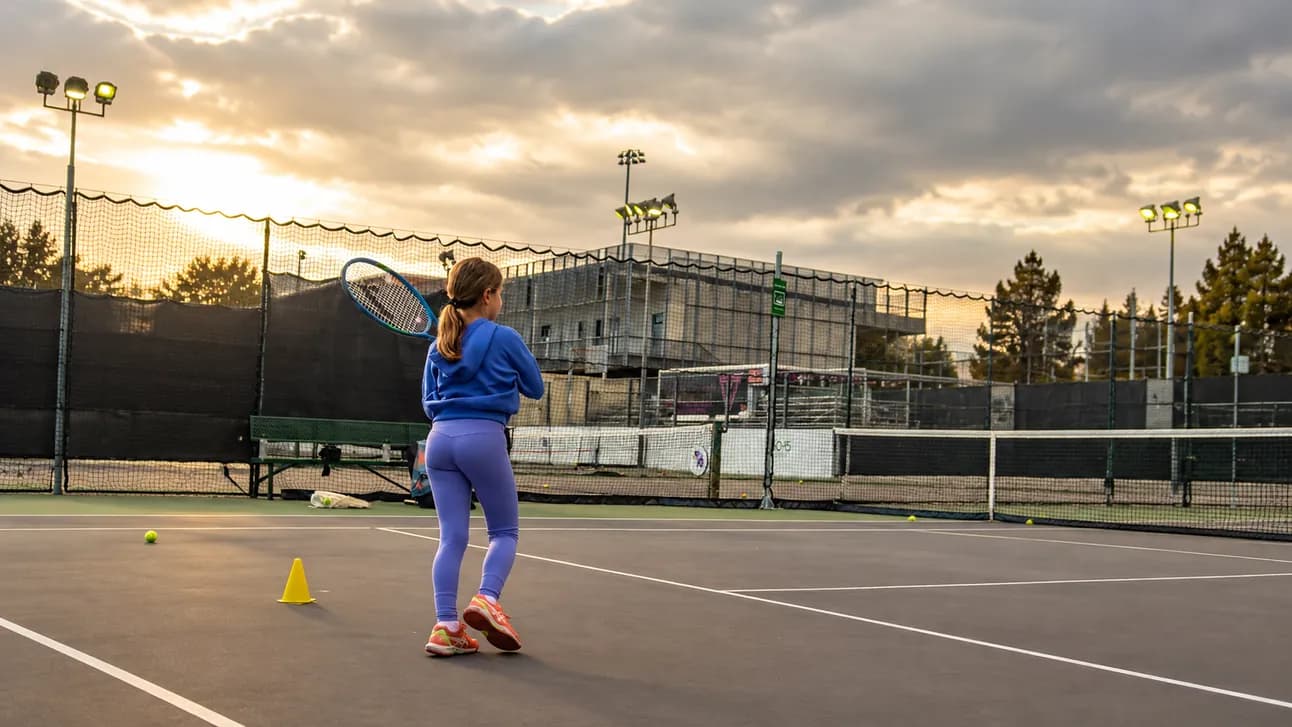
Glendale sits in the foothills at the edge of the San Fernando Valley, and its cooler months can suit outdoor practice. Conditions vary between mornings, afternoons, and evenings, so check the forecast and dress in layers. Players in the adult tennis program can keep training through the season, and families can explore the current junior schedule when choosing a starting point.
Why Fall and Winter Are Underrated for Getting Started
Players who are new to tennis often assume that spring is the natural time to start. Spring enrollment does surge for a straightforward reason: warmer weather and longer evenings make tennis feel more accessible, and many people make it a warm-weather resolution. But that logic does not hold up when you look at what the fall and winter enrollment experience actually looks like.
Check availability in group programs. Open spots depend on the level, session time, and current enrollment. Review the live schedule or contact the academy to find a class that fits, rather than assuming a particular season guarantees more space.
A longer runway before competitive season. Most junior and adult competitive events pick up in the spring and early summer. A player who starts or resumes training in the fall has four to six months to build their game before competition becomes relevant. That is a meaningful head start compared to someone who begins in March.
Lower heat during the learning phase. New players spend more mental energy managing discomfort than experienced players do. Fall and winter's cooler temperatures mean beginners can focus on technique without heat fatigue complicating their first weeks on the court.
Consistency of practice partners. Group programs that run through fall and winter tend to develop more cohesion among participants than programs that attract high summer enrollment. Players who start together in the fall often build the kind of regular practice relationships that accelerate improvement.
What the Fall and Winter Program Calendar Looks Like
30-15 Tennis Academy runs structured programs year-round with sessions across the week for both junior and adult players. The fall and winter months follow the same program structure as the rest of the year, with the same coaching team and the same development pathway.
For junior players, the Red Ball, Orange Ball, Green Ball, and Yellow Ball stages all run continuously through the fall and winter. A child who enrolls in October enters the same curriculum and level structure that runs in April. There is no abbreviated off-season version of the program. The junior program overview outlines what each stage covers and how progression between stages works.
For adult players, group sessions are organized by level and run on schedules designed to work around typical weekday and weekend availability. New adult students are assessed at enrollment to determine the appropriate starting group so that their first sessions are productive rather than mismatched.
Private instruction is available year-round as well. Many players use the fall and winter period specifically to work on a technical area they want to improve before spring, with the intention of moving into more competitive formats once that foundation is in place. The private lesson program is a practical option for players with specific goals or tighter scheduling constraints.
Playing Outdoors in Glendale Through the Winter
A common question from players who move to Southern California from regions with true winters is whether outdoor play is actually realistic through December, January, and February. The short answer is yes, with reasonable adjustments.
Rain can interrupt outdoor tennis in Glendale during the winter. How quickly a court becomes playable depends on the rainfall, surface, drainage, shade, and weather afterward. Confirm the session status with the academy and wait until staff consider the court safe; do not assume it will be dry by a particular time of day.
Cold mornings in December and January can feel more significant than temperatures suggest because the court surface retains cool air and light winds in the foothills can add to the chill. Layering appropriately and warming up thoroughly before play addresses most of the practical discomfort. Players who have trained in genuinely cold climates find Glendale winters mild by comparison.
Evening play during fall and winter works well at lighted facilities. Daylight hours are shorter, but courts with lighting extend the practical window for play into the evening without interruption.
Fall and Winter as a Reset for Returning Players
Fall and winter enrollment is not only for beginners. A significant number of players who enroll during this period are returning after a gap or looking to rebuild their game after a period of inconsistent practice.
For returning players, the fall offers a natural reset point. The summer is over, schedules tend to regularize after school and work calendars settle, and the competitive pressure of spring is far enough away that there is room to work on fundamentals without feeling behind. This is the period when players who are serious about improvement tend to make the most meaningful gains because they are training without the urgency of an upcoming event.
Players who use the fall and winter period to focus on specific technical work with a private coach, then move into group sessions and competitive formats as spring approaches, consistently find that the spring feels easier than it would have if they had maintained a casual practice routine year-round. The coaching staff at 30-15 works with returning players to identify the specific areas where focused fall and winter work will have the most impact by spring.
Getting Kids Started This Season
For parents who have been thinking about starting their child in tennis and are wondering whether December is the wrong time to begin, the answer is that there is no wrong time to begin. The only relevant question is whether your child is ready to start learning, and if so, starting now means they will have months of development before other kids who wait until spring.
The junior program structure is designed to onboard new students at any point in the year. A 6-year-old starting Orange Ball in December will be mid-curriculum by March, which is when many families are just beginning their spring enrollment search. That head start matters more than it might seem at the early development stages, because the skills built in the first few months form the foundation for everything that follows.
Families who are weighing the junior program alongside other activities will find the family tennis guide useful for understanding how multiple family members can be involved at different levels simultaneously. The broader guide to kids tennis programs and enrollment in Glendale covers age-appropriate starting points and what to expect in the first few months.
What to Expect From a Fall or Winter Session
A typical group session at 30-15 in the fall and winter follows the same structure as any other time of year: a warm-up, a technical focus, cooperative drilling, and point play or games appropriate to the level. Sessions do not feel like an off-season version of the main program. They are the main program.
Players who are evaluating between group and private formats for the fall and winter period can read the full comparison in the group vs. private lessons post, which covers cost, improvement pace, and which format tends to work better for different player types and goals.
One adjustment worth noting for fall and winter sessions is the warm-up. Cooler temperatures mean muscles take longer to prepare for full-intensity play. Coaches at 30-15 build longer warm-up sequences into fall and winter sessions, and players benefit from arriving a few minutes early to begin their own movement preparation before the session clock starts.
Frequently Asked Questions
Are tennis programs in Glendale available year-round, or do they stop in winter?
30-15 runs junior and adult programs year-round. Check the current schedule for seasonal hours, holidays, weather interruptions, and the availability of your level.
Is it too cold to play tennis outside in Glendale in December and January?
Many days are suitable for outdoor play, with appropriate layers and a thorough warm-up. Rain, surface conditions, wind, and individual comfort also matter. Confirm that your session is running and that the court is safe before traveling.
Is fall a good time for a beginner to start tennis lessons?
Yes. Cooler conditions can make practice comfortable, and starting now gives you time to build a routine before later goals or events. Availability depends on your level and the current schedule, so check your preferred session before enrolling.
Can my child join the junior program mid-season in the fall or winter?
Yes. New students join the junior program at any point in the year. Coaches assess each new student's level and place them in the appropriate group for their current skills, regardless of when others in that group started.
How do I find out what sessions are available this fall or winter?
The enrollment page has current schedule details and availability across all program levels. A free trial session is also available if you would like to experience the program before committing to enrollment.